Isaiah 9: 2–7 / Psalm 96 / Titus 2: 11–14 / Luke 2: 1–20
This is the written version of the
sermon given at Flohr’s Evangelical Lutheran Church (ELCA) in McKnightstown,
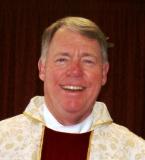
Pennsylvania on Wednesday, December 24, 2025, by Fr. Gene Tucker, Interim
Pastor.
“WHAT SORT OF A GIFT HAS GOD GIVEN US?”
(Homily text: Luke 2: 1-20)
The Christmas season is a time of
giving, and receiving, gifts. Indeed, the retail establishments all around us
have been encouraging us to buy gifts for giving at this time of the year for
some months now. (Perhaps many of us are weary from the constant urgings to tap
into the commercial aspects of this holiday.)
Since the secular observance of
Christmas seems to overtake our attentions, perhaps it’d be a good idea for us
to step back from all of that, inhale deeply, and set those things aside, that
we may concentrate on the essential meaning of this celebration.
After all, the essence of Christmas,
and its basic focus and meaning, is on the giving of the greatest gift that has
ever been given to us: The sending of God’s only-begotten Son, Jesus Christ, to
take up our humanity, to live and die as one of us, to show us the way to the
Father.
As we step back, perhaps it might help
our own contemplation of God’s mighty act in sending Jesus to consider some of
the ways in which this gift unfolded as our Lord grew up and began His
ministry. It will also help us if we contrast His behavior and His attitudes up
against the commonly-held beliefs, attitudes and behaviors of the culture among
God’s chosen people in the time of His earthly sojourn.
We might begin with this radical truth:
There are no outcasts in God’s kingdom. In the culture of the time 2,000 years
ago, there were many such outcasts: The notorious sinners (like tax collectors),
or the Samaritans, or those with diseases or who were poor. To the people back
then, all those who suffered in some way were being punished by God for some
egregious sin. To all such, our Lord says, “Come, God loves you.” To such as
these, our Lord says, “You are not permanently beyond God’s ability to cure, to
fix, to love.”
Our Lord came to break down barriers
that separate human beings, one from another. Barriers of race, ethnicity,
wealth or poverty, all were welcome in God’s kingdom. All were precious
creations of God, God’s unique and wonderful work. Every single person was
worthy of God’s love, and worthy of beginning a walk with God which led to a
new, full and meaningful life. (After all, when we have a genuine encounter
with God, we will never be in the same place as when the journey began.) The
early Church grew, in part, because it offered a radical welcome to all sorts
of persons: noble ones, slaves, rich ones and poor ones. God’s radical love,
made known in Christ, was generously offered to all…as a result, many in the
Greco-Roman world of the first century found worth, value, meaning to life and
love, perhaps for the first time in their lives.
The Lord came, bringing with Him the
ability to create, and to re-create. He fed large crowds of people. He healed
the sick, and cured the lame. He delivered those who had become wards of
Satan’s power. He demonstrated His power over the creation, stilling the waters
of the sea. God’s power to create was – and is - made known in His work.
To God’s people back then, the coming Messiah[1] would be a mighty king like King David of old. He would come, riding into Jerusalem on a white horse, his sword held high. This Messiah came, however, riding on a donkey. This Messiah came, saying He had come to serve, not to be served. We see such servanthood in His death on a cross on Good Friday. This Messiah came to proclaim God’s love and God’s righteousness.[2]
Our Lord’s kingship ushers in a kingdom
that will have no end. Unlike the earthly Messiah that many were expecting at
the time of Jesus’ birth, the kingdom they were looking for would have, in the
fulness of time, ceased to be, as the kings of Jesus’ line died out, or the
kingdom was overcome by some event or another. But this heavenly kingdom, come
to dwell on earth, not just in heaven, will have no end, and our Lord Jesus
Christ’s kingship is everlasting, as the time will surely come when His rule
and His lordship is acknowledged by all.
But perhaps one of the most significant
aspects of our Lord’s birth is what it tells us about how God often operates.
For every few knew of Jesus’ advent into the world. The shepherds knew, as Luke
tells us, and those who attended to Mary during the birthing process. Joseph
knew, and perhaps a few others. Not many, though, knew.
Oftentimes, God’s works quietly, in
human hearts, that place where things change and can be changed.
For, the gift of Jesus Christ, God’s
gift to you, to me, and to each and every person who invites the Lord into
their hearts, is a gift from the heart of God to your heart, my heart, a gift
that is offered to all and received by faith.
AMEN.
[1] The title “Messiah” is derived from the Hebrew word meaning “anointed”.
Christ means the same thing, coming to us from the Greek.
[2] Critical to our understanding of God’s nature is that God is a righteous and holy God, but also a loving and merciful God. Martin Luther’s faith journey came, in time, to this recognition. Lutherans have, ever since, offered this understanding as a gift to the wider Church and to the world.