Joel 2: 1–2, 12–17
Psalm 51: 1–17
II Corinthians 5: 20b – 6:10
Matthew 6: 1–6, 16–21
This is the written version of the
homily given at Flohr’s Evangelical Lutheran Church (ELCA) in McKnightstown,
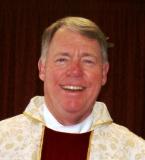
Pennsylvania on Wednesday, February 18, 2026 by Fr. Gene Tucker, Interim
Pastor.
“INTEGRATION & INTEGRITY”
(Homily
text: Matthew 6: 1–6, 16–21)
“If you’re going to come and serve
here, your insides must match your outsides.” So said my first Bishop.
What he was getting at is the business
of integrity.
Sometimes, we can see integrity in a
person when they act the same way when no one can see what they are doing, as
when they act when others can see what they’re doing. Their actions, done in
private or in secret, match their actions in public, to put it another way. The
reverse is also true.
A focus of much of our Lord’s ministry
had to do with the business of integrity, of matching a person’s outward
actions with an inner transformation of the heart and the mind, of allowing the
outward actions and observances of God’s ordinances to be fully integrated into
the inner heart and mind.
In the Sermon on the Mount, from which
today’s Gospel reading is taken, Jesus takes on the obvious disconnect between outward
appearance and inner disposition and transformation.
It would be easy to think that the
Lord’s comments, heard by the crowd that had gathered around to hear His
thoughts, were actually aimed at the scribes and the Pharisees, for in
Matthew’s Gospel account, those two groups are mentioned, time and again.
“Beware of practicing your
righteousness before other people, in order to be seen by them,” the Lord says.
Sounds very much like the behaviors of
the scribes and the Pharisees, whom the Lord described as being “white-washed
tombs”,[1] those who look good on the outside, but are, in actuality, full of dead men’s
bones inside.
Later on in his Gospel account, Matthew
records a series of indictments against the scribes and the Pharisees. It’s
worth reading these harsh statements, each of which begins with “Woe to you,
scribes and Pharisees…”[2]
What, then, was the problem with the
scribes and the Pharisees?
Simply this: They were going through
all the motions, observing all the practices that the Law of Moses required,
attending worship in the Temple, and attending gatherings in the synagogues
where the Law and the Prophets were read each Sabbath day.
However, we get the impression that
they had walled off part of themselves to the truths of God, those truths that
require “mercy, not sacrifice”.[3]
Here we come to the important part of
the purpose of all those outward actions, those requirements of the Law of
Moses: Those things that God’s people were required to do were meant to sink
into their innermost selves, into their hearts and minds. Put another way, the outward actions were
meant to influence the inner heart and mind.
That’s what the scribes and Pharisees
failed to do. It’s as if they had set aside a part of themselves, and were
telling God “This part of me is off-limits to you and to your truths”.
Jesus’ warning to the scribes and the
Pharisees is also a warning to us.
It’d be easy to simply “go through the
motions” of living a Christian life, of regular attendance at worship, of an outward
observance of the faith.
But we can – each of us – wall off a
part of ourselves to God’s love, God’s truth and God’s deep desire to enter
into an intense, inner relationship of love and renewal. For whatever reason,
God gave us the freedom to do that.
The Lord’s warning is especially
important to those Christians who maintain a liturgical worship heritage, for
it’d be easy to concentrate on things like music, the liturgical actions that
happen during a Eucharistic celebration, or a building’s beauty. However, those
things are all meant to turn our focus to God, to God’s truths and to God’s demand
for inner transformation of heart and mind. Each of these aspects of liturgical
worship are meant to direct us to God’s majesty, power and love.
This Lenten season, the call comes to
us, to each of us, to step back, try to see ourselves as God sees us, and then
to take stock of the state of how well and how fully we’ve integrated godly
values into the very fiber of our being. Such a journey won’t be easy, and it’s
a certainty that we’ll need the help of the Holy Spirit to walk a productive
Lenten journey as we make our way to Good Friday, and then to Easter and to new
life.
AMEN.
[1] Matthew 23:27
[2] Matthew 23: 1-31
[3] Jesus quotes Hosea 6:6, as Matthew records His comment in Matthew 9:13.