Isaiah 63: 7–9 / Psalm 148 / Hebrews 2: 10–18 / Matthew 2: 13–23
This is the written version of the
homily given at Flohr’s Evangelical Lutheran Church (ELCA) in McKnightstown,
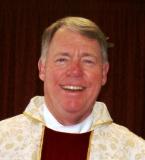
Pennsylvania on Sunday, December 28, 2025 by Fr. Gene Tucker, Interim Pastor.
“GOD’S INVISIBLE NATURE, MADE KNOWN IN HIS
VISIBLE ACTS”
(Homily text: Hebrews 2: 10-18)
We can understand many things in life
only by observing those things we can see, things which point to things we
cannot see.
For example, we meet a friend, and ask,
“How are you?”. The friend says, “Oh,
I’m fine”, but the look on their face tells us something entirely different:
That friend of ours is anything but fine, there’s something going on in their
mind or heart.
Or, consider a situation in which a
person is applying for a position in a company. That potential boss will want
to have references, attesting to the applicant’s past work experience,
reliability as an employee, trustworthiness, and so forth. The record of what
the potential employee has done in the past is a visible indicator of the kind
of person they are, and the values they maintain.
What we know about God’s nature is due
to the things that God has done in the past, which point to the unseen
realities of God.
Consider, for example, the Great Flood
and God’s instruction to Noah to build an ark, so that Noah, his wife, his
three sons and their wives, eight persons in all, were able to survive the
flood.[1] Because God made a way for these persons to live through that experience, we
can come to the conclusion that God is a God who saves people.
The same is true of the experience of
God’s people, as they found themselves on the west side of the Red Sea, with
the Egyptian army closing in on them. There seemed to be no way to escape being
wiped out. But then God commanded Moses to lift his staff. When he did so, the
waters parted and God’s people were able to pass through on dry land.[2] Again, we can conclude that God is a God who saves people.
The things we can see that are
unmistakably actions by God point to God’s nature.
God’s sending His only-begotten Son,
Jesus Christ, to take up our humanity, fits into the pattern we see of God’s
nature, a nature that seeks to save people.
In the life, work, teachings, healings,
miracles and care for people (especially the down trodden) of Jesus Christ, we
have visible proof of God’s nature. Jesus Christ’s ability to create and to
re-create point to God’s power, a power that God, alone, possesses.
With these thoughts in view, let’s turn
our attention to the wonderful Letter to the Hebrews, and especially to the
second chapter of this letter, which is our appointed reading for this morning.
We should begin by noting the way the
author of the letter begins. Hebrews 1: 1–3 reads this way: “Long ago, at many
times and in many ways, God spoke to our fathers by the prophets, but in these
last days he has spoken to us by his Son, whom he appointed the heir of all
things, through whom also he created the world. He is the radiance of the glory
of God, and the exact imprint of his nature, and he upholds the universe by the
word of his power.”
Wow!
The opening statement of the Letter to
the Hebrews sounds a lot like John 1: 1–2, which reads, “In the beginning was
the Word, and the Word was with God, and the Word was God. All things were made
by him, and without him was not any thing made that was made.”
That opening statement also sounds a
lot like Colossians 1: 15–16a, which reads “He (Jesus Christ) is the image of
the invisible God, the firstborn of all creation. For by hum all things were
created, in heaven and on earth, visible and invisible…”
Notice the theme of the invisible and
the visible in the passages from the opening of the Letter to the Hebrews,
John’s Gospel account, and St. Paul’s Letter to the Colossians. All share a
common theme: That the things we can see of God’s acts and actions point to
God’s nature, which we cannot see directly.
The passage appointed for us to hear
this morning bears out another truth of God’s nature: God is willing to get
right into the messy aspects of life, things like the Great Flood, or the
crossing of the Red Sea. In this morning’s reading, we read that Jesus Christ
came, took up our humanity, becoming truly human, and – in order to confront
Satan and the powers of death that separate us from one another and from God -
was willing to get into the messiness of life, even to the point of dying a
death like ours. By His willingness to confront death directly, Jesus Christ
overcomes and conquers this, our last and greatest enemy.
The passage before us this morning goes
a step further: It maintains that Jesus Christ became the high priest, who
presides over His own sacrifice: Himself.[3]
God operates in our own lives, day in
and day out, in the same sorts of ways that He has operated over time in events
that are memorable, events that Holy Scripture records. The times in our own
lives when God has stepped in, has saved us from precarious and difficult
circumstances, are the same as those times when God acted in great and powerful
ways…the difference is only one of magnitude. As we look back over the span of
our years, can we see times when God has been active in the events of life, and
especially in the difficult, messy times of our lives?
If we can, perhaps we can say that the
God who loves us, who gave us His only Son, Jesus Christ, is a God who saves
His people.
Thanks be to God.
AMEN.
[1] See Genesis 6:9 – 9:19.
[2] See Exodus 14: 1–31.
[3] This theme will continue into the following chapters of the letter. I encourage you to read Hebrews 3:1 - 10:25.